Product Designer - Senior Project
MUDO
A university-industry collaboration project with MUDO that ran for about a year. I researched Gen Y and Gen Z users' habits, preferences, and behavior on the platform to extract user insights, then translated those findings into the design process for the Spring-Summer 2021 collection.
Visit the Website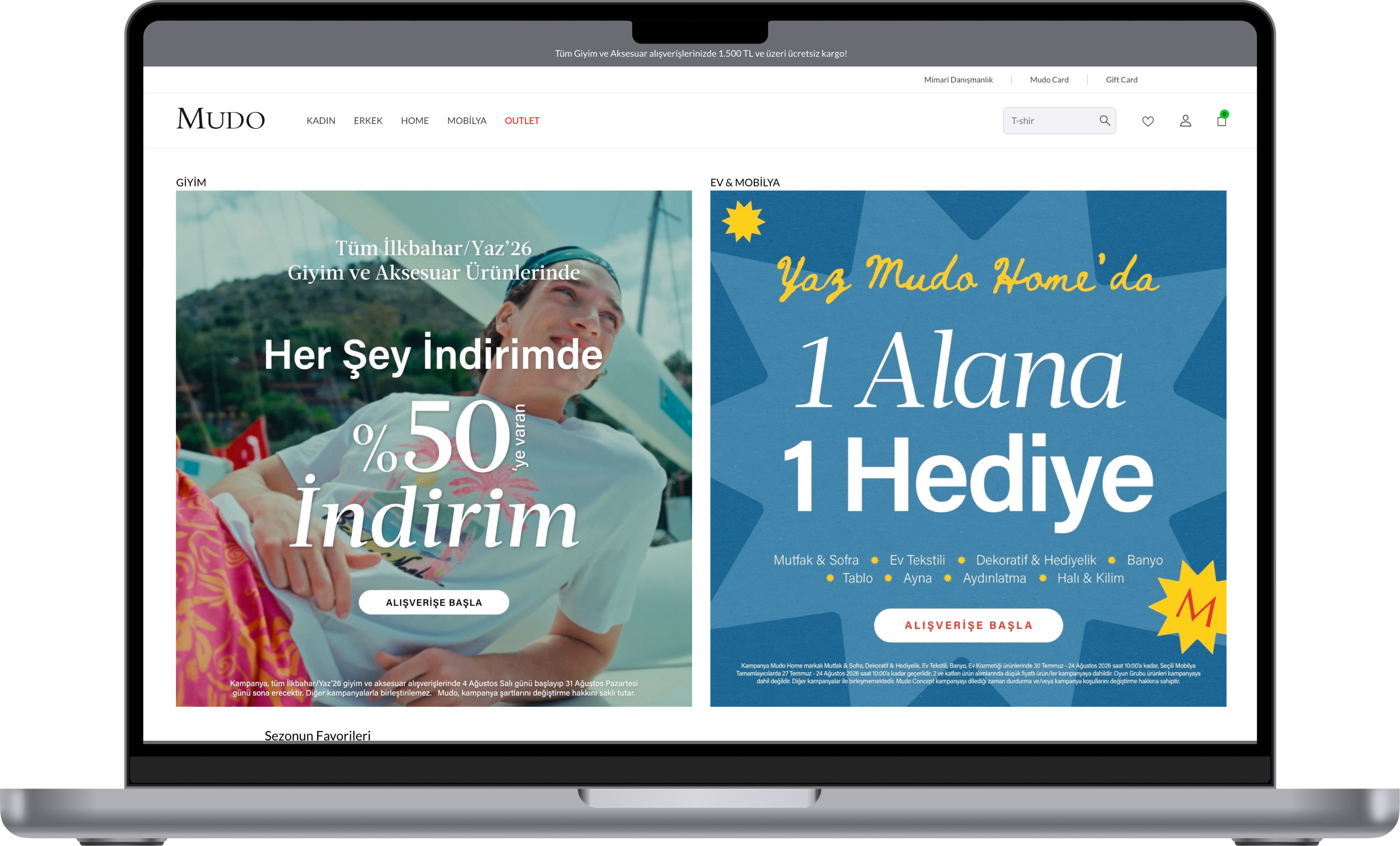
About the
Project
This project began as my graduation work in Textile Engineering at Istanbul Technical University, developed together with MUDO over roughly a year. The question behind it was simple to ask and hard to answer: what do younger women actually want from a MUDO T-shirt or a pair of jeans, and how could that understanding shape a real collection.
The
Challenge
MUDO wanted to better understand the needs, preferences, and shopping behavior of its younger female users, especially Gen Z, and use that understanding to strengthen the experience for this segment. At the same time, the brand wanted to lower the average age of its clothing customers, get more out of the printed T-shirt category, and explore new ways of printing on denim. At the core of the project was turning insights from user research into product and design decisions.
How might we understand what younger consumers want, and turn that understanding into products they would actually buy?
Understanding
the Users
The first step was a comprehensive user research effort aimed at understanding the target users' behavior and needs. Through a large scale survey, I gathered data across demographics, shopping habits, platform usage behavior, brand perception, price sensitivity, and content and design preferences. Analyzing that data helped me identify user segments and the behavior patterns that stood out. These insights clarified which user group the collection was being designed for, and which needs the design decisions needed to address.
Field
Research
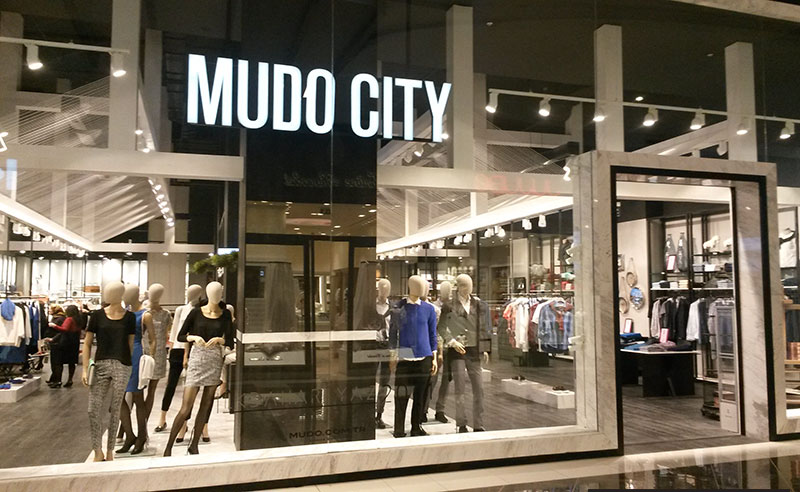
The research did not stay behind a screen. I visited MUDO stores to observe, in person, how users actually interacted with the existing SS20 printed collection and how they evaluated the products. In Cevahir, İstinye Park, and Bahariye, right where users encounter the product, I ran face to face surveys and user interviews. That fieldwork let me spot the gaps between what users said and how they actually shopped, which helped me interpret the research findings more accurately.
Market &
Benchmark Research
Alongside the surveys and the fieldwork, I looked at the user experience other competing brands and relevant e-commerce platforms offered in the printed T-shirt and denim categories. Comparing product presentation, visual communication, category structure, the range of options offered to users, and overall design approach across brands, I put together a competitive benchmark. I also analyzed visual and behavioral trends in the market to find where user expectations converged and where MUDO had room to differentiate. I weighed all of this alongside the insights from my user research to shape the design direction for the collection.
Benchmark
Pattern
Opportunity
Turning Responses
Into Patterns
The first survey showed where Gen Y and Gen Z users' behavior overlapped, and where it diverged. When I broke the data down by segment and compared it, the clearest behavioral signals came through in fit and style preferences. These findings let me define what each user group actually needed and expected, and ground the design decisions in user data rather than trends alone.
Fit Preference
Style Preference
Iterating the
Research
The findings from the first survey opened up new areas to explore rather than answering everything. So I took an iterative approach to the research and designed a narrower follow-up survey to validate and deepen the insights from the first round. In that second round, I focused on more specific design questions: minimal text use, character prints, graphic styles, and how visual choices actually affect users. That turned the broad behavioral findings from the first survey into more concrete design insights.
First Survey
Patterns
New Questions
Second Survey
Design Direction
From Insight
to Design
In the second survey, 68.25% of Gen Z respondents leaned toward a 1930s to 1960s visual reference, and 66.67% favored a minimal approach.
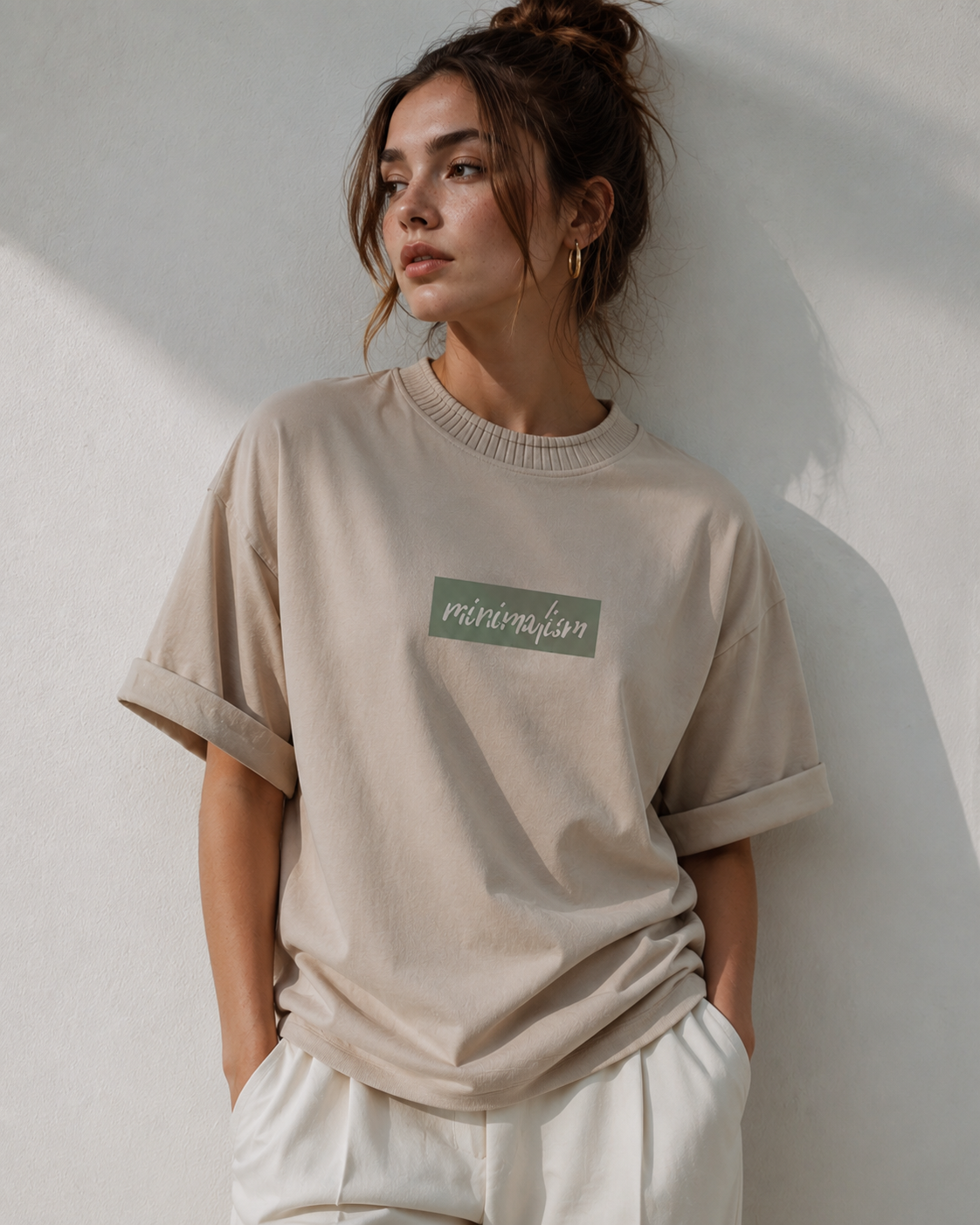
That preference helped shape a more minimal, vintage informed visual language for the prints.
Relaxed fit came out on top as the strongest fit preference for both Gen Y and Gen Z.
Relaxed silhouettes became a core direction across the collection.

Digital
Touchpoints
Experience
the Platform
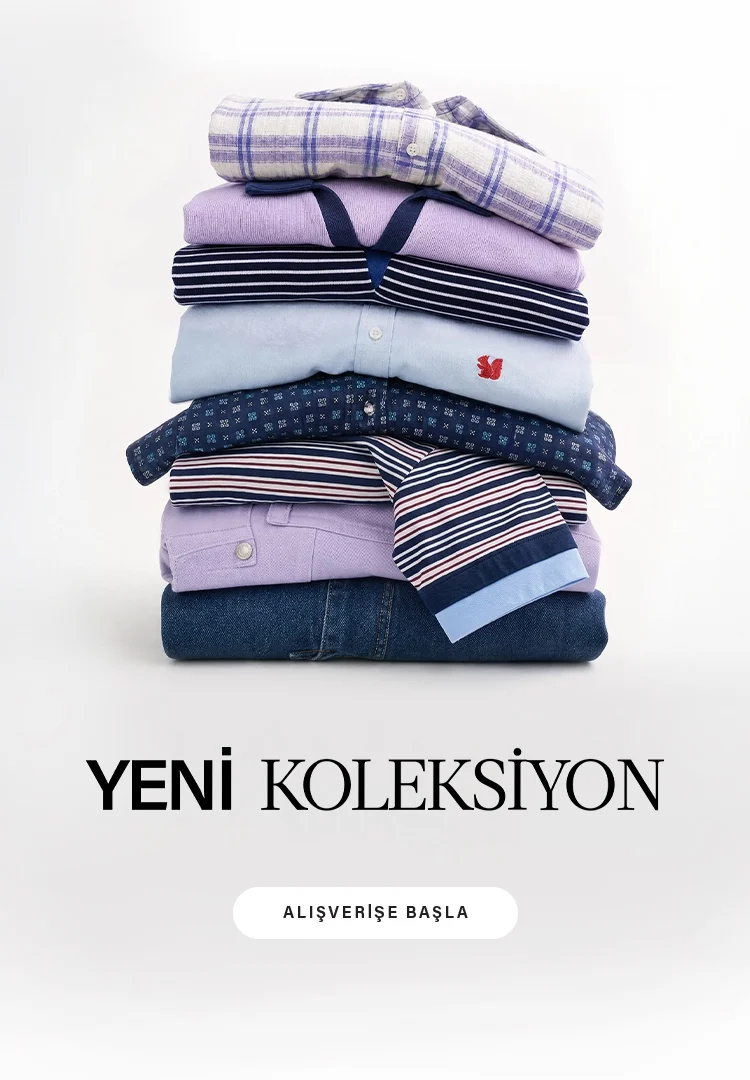
Before designing anything, it helps to actually use the thing you are designing around. Spending time on MUDO's own site was part of understanding the habits and expectations users already bring with them.
Visit the Website
From Research to
Physical Product
Every research output came together in one place: the surveys, the fieldwork, the competitive benchmark, the seasonal trend analysis, and digital user behavior. Synthesizing insights from all these sources let me pinpoint shared behavior patterns and design opportunities. Those insights then shaped the product, graphic, and visual design decisions behind MUDO's Spring-Summer 2021 collection.
Validating the
Outcome
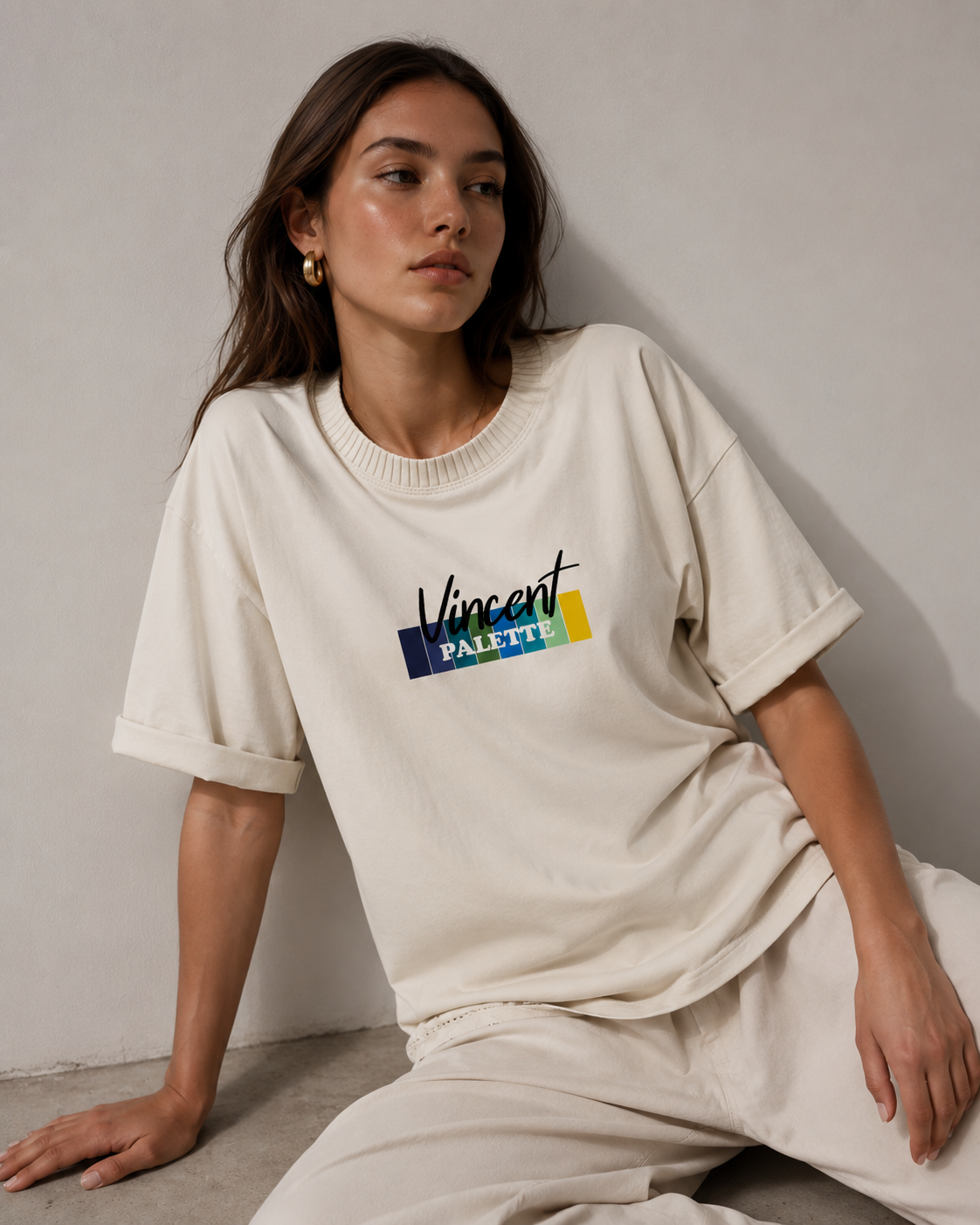
Once the designs were ready, I brought them back to a focus group from the target audience, to check whether the research actually led somewhere people would buy.
The final concepts were brought back to the target audience to see whether the research driven direction had turned into products with real purchase potential.
Looking
Back
The final output here was a physical collection, not a digital product. But the research and design approach I used throughout the project shaped a lot of how I still work in UX/UI design today: start with the user, observe their behavior, pull patterns and insights from different research sources, turn those insights into design decisions, then test the resulting solution with users again.
I did not call it UX research back then. Looking back today, I can see that what I was doing was, in fact, a user centered, iterative design process.
Years later, I carried that same approach into digital products and interfaces. Instead of a physical collection, I am now designing a product, platform, or interface, but I still start with the same core question: who is the user, how do they behave, what do they need, and how can I turn these research insights into a better experience?